
Over the years, I have had the opportunity to introduce meditation to many beginners. One thing I quickly discovered is that most people start with the same concern:
“I can’t stop thinking.”
The good news is that meditation does not require an empty mind.
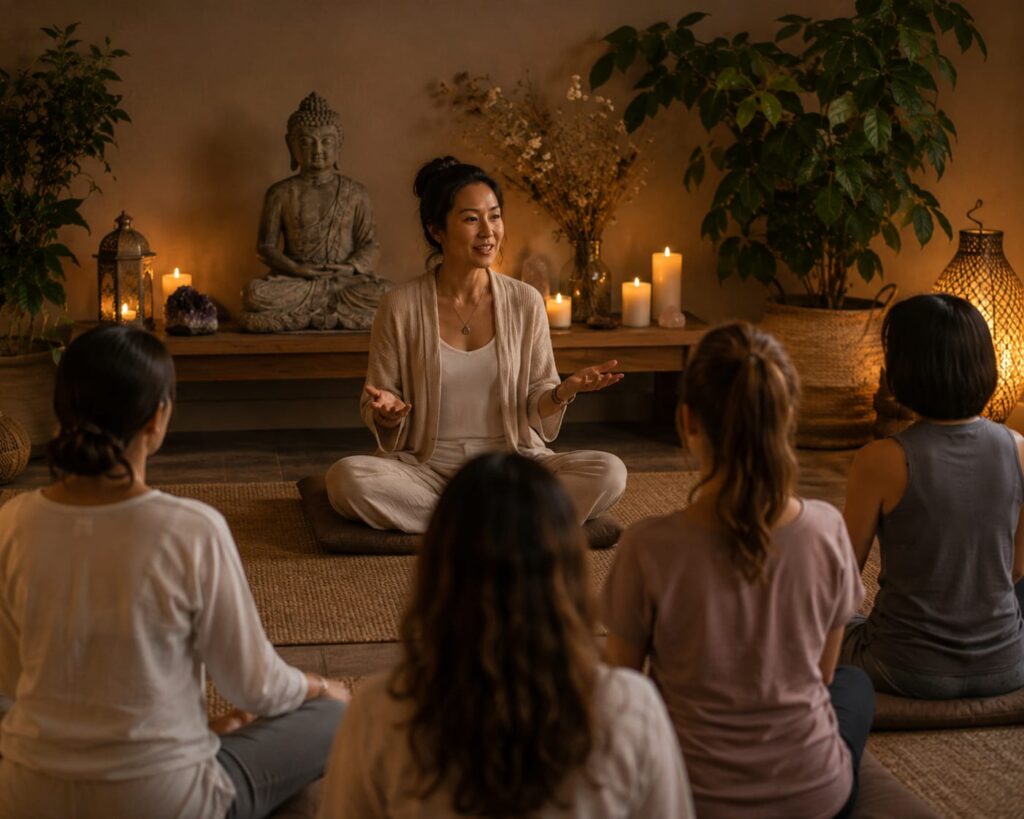
One of the biggest misconceptions about meditation is the belief that successful meditation means having no thoughts at all. In reality, meditation is about becoming aware of your thoughts without getting lost in them.
Many beginners are surprised when they learn that wandering thoughts are completely normal. The practice is not about perfection. It is about gently returning your attention to the present moment.
Another lesson I have learned is that consistency matters more than duration.
Many people believe they need thirty minutes or an hour each day. However, even five to ten minutes of regular practice can create noticeable changes over time.
I have also noticed that people often underestimate the impact of simple breathing exercises. Something as basic as paying attention to your breath can reduce stress, improve focus, and create a greater sense of calm.
Perhaps the most rewarding part of teaching meditation is watching people discover that peace is not something they need to find outside themselves. It is something they can cultivate from within.
Meditation is not about becoming a different person. It is about becoming more present, more aware, and more connected to yourself.
No matter where you are on your journey, the practice begins with a single breath.